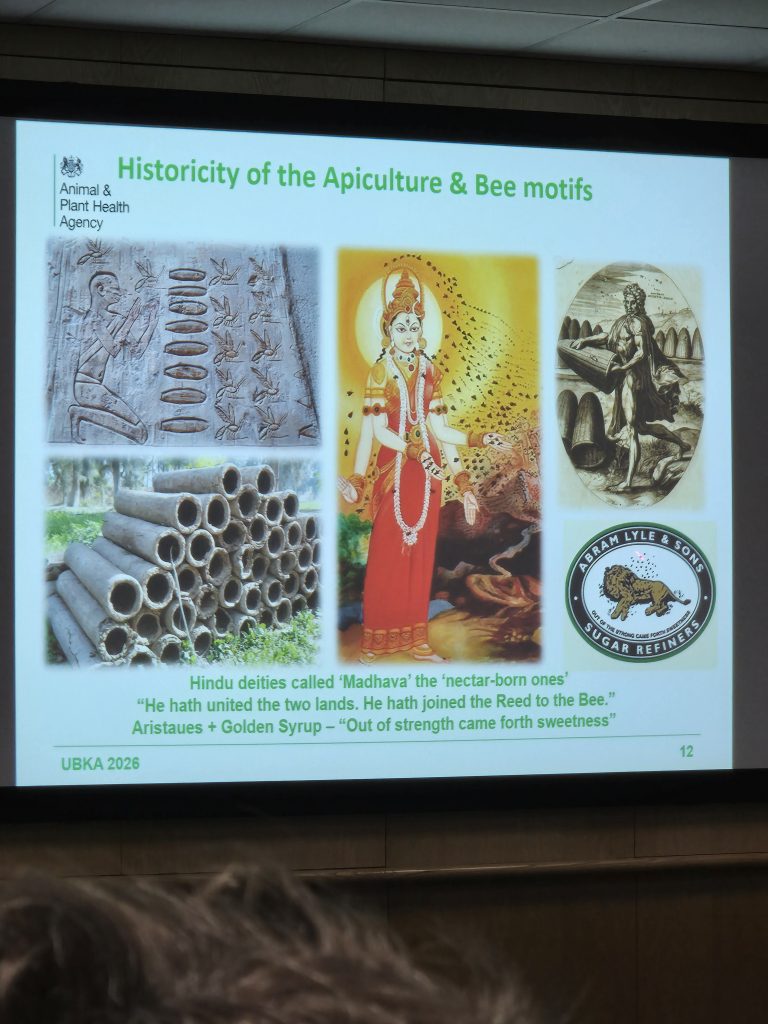
What we learned from Stephen Martin’s incredible beekeeping adventures
Right, so here’s the thing about being complete beekeeping beginners: when you get the chance to listen to someone like Stephen Martin—an actual bee scientist who’s spent decades studying bees around the world—you sit up straight, you take notes, and you try not to feel too inadequate about your one hive in Northern Ireland.
We recently attended a lecture where Martin shared stories from his global bee research, and honestly? It was equal parts fascinating, inspiring, and slightly terrifying. Here’s what we learned (and what we’re still processing with our beginner brains).
Africa: Where Beekeeping Meets Safari Animals
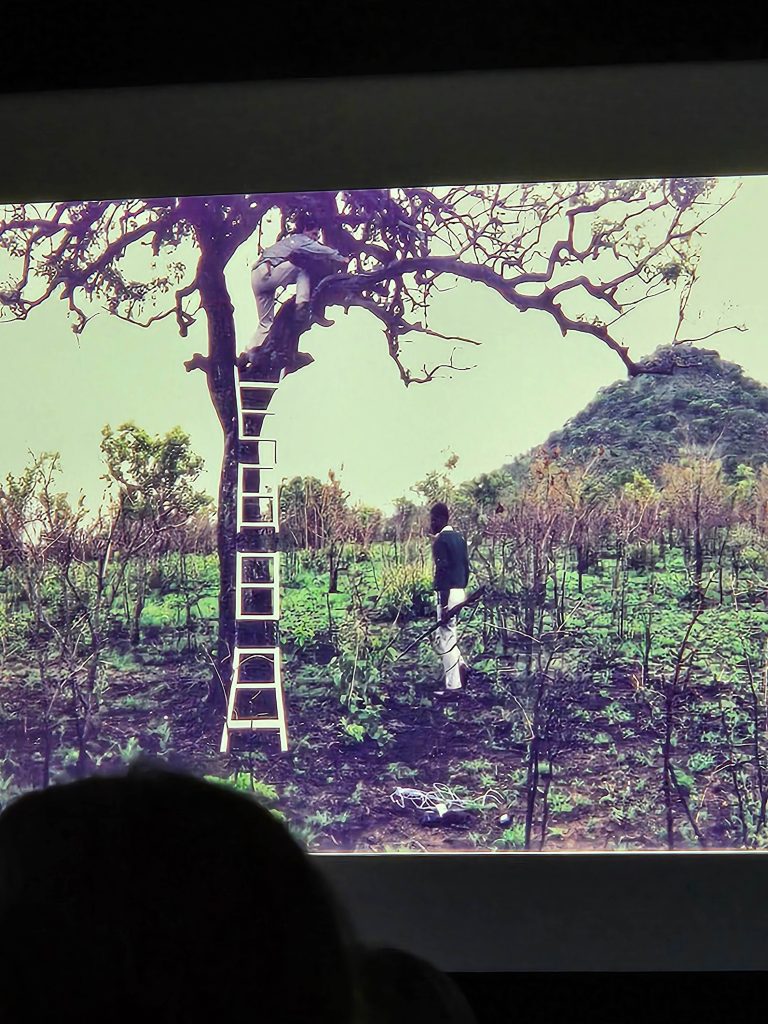
You think checking your bee box is stressful? Try doing it when elephants are wandering around. Martin casually mentioned that one of the biggest problems with his African fieldwork is elephants pushing over trees to get to the bee boxes. Elephants. Just, you know, casually knocking over your entire research project.
And it’s not just elephants—there are buffalo charges to worry about too. Martin works with professional guides (smart man), and despite the wildlife hazards, he describes it as “a real privilege.” Which is probably what you say when you’ve made peace with the fact that your job involves dodging large mammals.
Meanwhile, we worry about opening our hive when it’s a bit windy. Perspective, right?
South Africa’s Brilliant (and Terrifying) Experiment
Here’s something that completely blew our minds: South Africa basically said “no varroa mite treatments allowed” and forced beekeepers to let nature do its thing. Can you imagine? Just… letting your bees deal with varroa without treatments?
It took about six years of colony losses (ouch), but the bees that survived developed natural resistance. Now South African beekeepers watch the rest of the world struggle with varroa treatments and basically shrug. Their bees just handle it.
Before you think “let’s try that here,” wait—there’s a catch. South Africa also has Cape honeybees, which have this wild ability where worker bees can produce new queens. Sounds cool until you learn that if you move these bees outside their natural area, chaos ensues. Workers invade other colonies, start laying eggs, the whole colony dynamics fall apart, and everything dies.
The lesson? Nature is amazing, but also complicated. And definitely don’t move Cape bees. Ever.
Pakistan: Unexpected Beekeeping Excellence
Martin’s trip to Pakistan was full of surprises. First, the slightly concerning bit: he couldn’t meet beekeepers outside because of kidnapping risks. (Again, perspective on our Northern Ireland beekeeping problems.)
But here’s the fascinating part: the best beekeepers he encountered were Afghan refugees running large-scale operations. “Top-notch equipment,” he said, managing impressive honey production despite water scarcity and brutal heat. It turns out that everywhere in the world, beekeepers share the same concerns and passions. Whether you’re managing one hive in your garden or hundreds in Pakistan, we’re all basically worrying about the same things.
Also, Asian giant hornets are there. Martin got to see them up close (without a suit when they were calm, because apparently he’s braver than we’ll ever be). They were fine until the colony got disturbed, then they became “extremely aggressive.” Note to self: never disturb Asian giant hornets.
Note to Bee Girl: We are not getting Asian giant hornets. Ever.
Hawaii: The Complicated Paradise
Martin’s spent nearly 20 years researching in Hawaii, which sounds like a dream assignment until you hear about the 24-hour journey to get there. But Hawaii is apparently an incredible bee research location—you’ve got rainforest on one side of the Big Island and near-desert on the other, creating all these different microclimates for experiments.
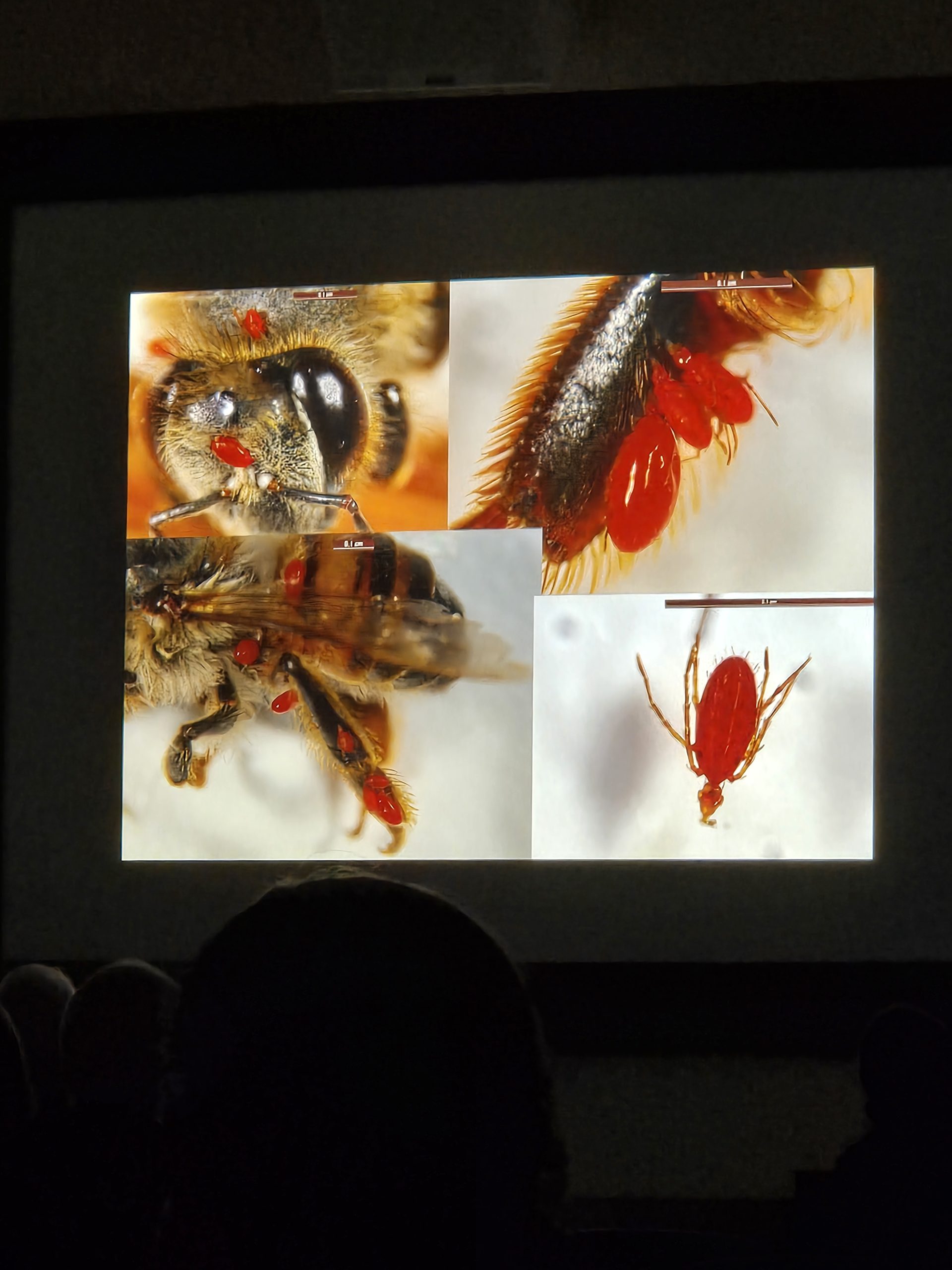
Here’s where it gets sad though: “Almost nothing is natural anymore,” Martin said. Hawaii has become a textbook example of what happens when humans introduce species without thinking it through. Not a single native ant species left—but 40 invasive ones, including fire ants. Yellow jackets arrived on Christmas trees. Mongooses were brought in to control rats, but mongooses hunt during the day and rats are nocturnal, so… that didn’t work.
The worst part? Mosquitoes (also invasive) brought avian malaria that’s killed off most of Hawaii’s native birds. The survivors have been pushed to high elevations where mosquitoes can’t go. It’s heartbreaking, and a powerful reminder that ecosystems are delicate and we mess with them at our peril.
Suddenly our one colony of honeybees in Northern Ireland feels like we need to be really, really careful about what we’re doing.
Brazil: Stingless Bees and Ancient Colonies
This was possibly the coolest part of the whole lecture. In remote parts of Brazil, Martin’s team found stingless bee colonies that have probably been there, undisturbed, for thousands of years. Thousands. Of. Years. We can barely keep our colony going for a few months.
These stingless bees build exposed nests—just one big comb on the outside of a tree. To collect them, you have to move fast with plastic bags because once they leave, they’re gone at incredible speed. Martin’s advice? “Keep your eyes open for unusual things.” He said young students often make the best discoveries because they don’t have preconceived ideas about what they should see.
Bee Girl perked up at that bit. Apparently not knowing what you’re doing can actually be an advantage in research. We’re choosing to take that as encouragement.
The Bit Where He Talked About Malaria
Martin got refreshingly real about the health risks of tropical bee research. He’s had malaria. The test for whether you have it? “If you can’t pick up a £100 note from the floor, you’ve got malaria.” That’s how exhausted you become.
His advice was practical: use mosquito nets, take your anti-malarial pills (and finish the whole course after you get home—super important), check for disease outbreaks before you travel, and be smart. Most of the time tropical fieldwork is safe, but you need to take precautions seriously.
Filing this under “reasons we’re grateful our beekeeping adventures are in Northern Ireland where the biggest risk is rain.”
What We’re Taking Away from All This
Listening to Stephen Martin made us realize a few things. First, bees are even more complex and fascinating than we thought. Different regions have completely different challenges—from elephants knocking over hives to invasive species destroying ecosystems to bees that have evolved unique superpowers (looking at you, Cape bees).
Second, the work real bee scientists do is both inspiring and humbling. While we’re here nervously checking our single hive and googling “is this normal bee behavior,” people like Martin are traveling the world, making discoveries, and advancing our understanding of these incredible insects.
Third, beekeepers everywhere—whether managing one colony or hundreds, whether in Northern Ireland or Pakistan—share the same love for bees and the same concerns about their wellbeing. We’re all in this together, learning as we go.
And finally? We’re really, really glad we don’t have to worry about elephants. Our biggest wildlife challenge is keeping the neighbour’s cat away from the hive entrance, and honestly, that’s quite enough excitement for us.
But we’ll keep learning, keep watching, and keep sharing our journey—elephants or no elephants. That’s what this adventure is all about.
Until next time, bee brave.
Mum & Bee Girl
Bee Happy Honey