
BEE HAPPY HONEY | The Bee Garden | September
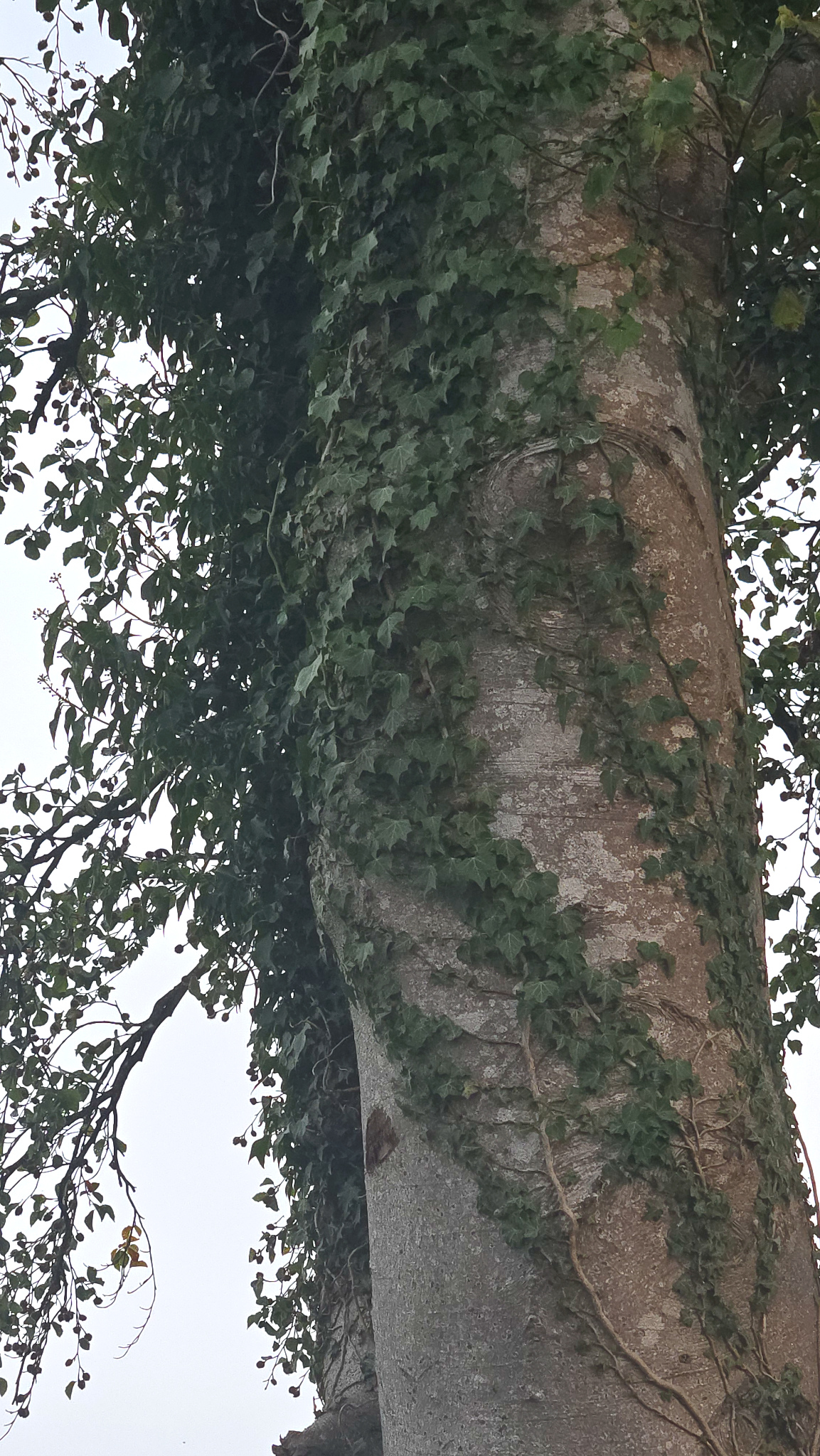
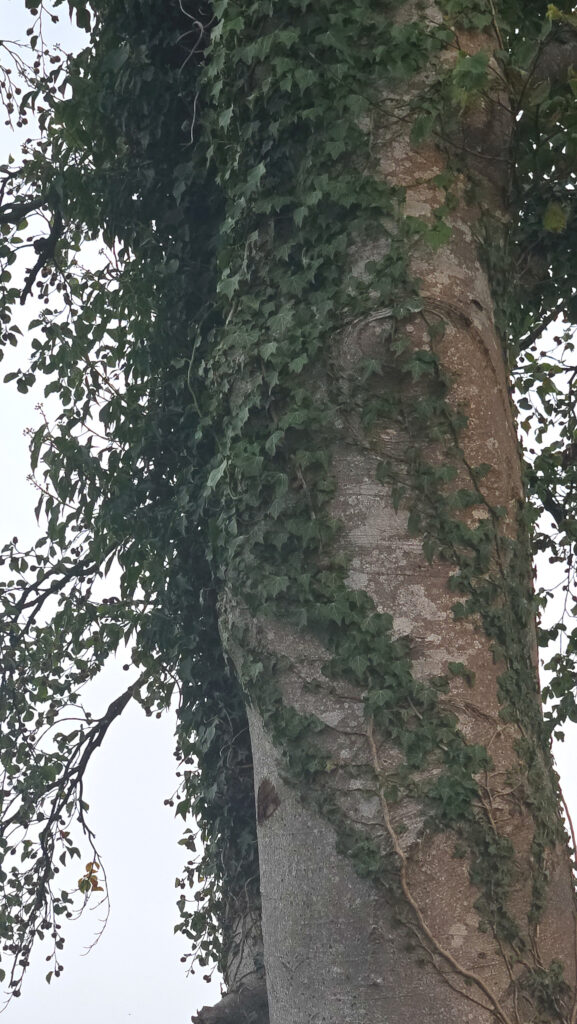
Ivy flowers in September and October. Bees pack it away as winter stores. It is unglamorous, it grows everywhere, and it might be the most important plant in this entire series.
Nobody gets excited about ivy. It is the thing that creeps up walls, covers old buildings, grows into gutters if you are not watching, and gets cut back every few years when it starts to look like it has ambitions above its station.
It is also the last major nectar flow before winter. And for a honey bee colony preparing for six months of cold, ivy honey is not a nice-to-have. It is survival food.
Ivy for Bees: Why Hedera helix Matters in September
Ivy flowers in September and October in Northern Ireland. The flowers are small, green-yellow, and not especially beautiful. But the nectar they produce is abundant, and bees work ivy with a purpose and intensity that tells you everything about how much they need it.
Watch an ivy plant in flower on a warm September afternoon. It will be covered. Not just honey bees but hoverflies, wasps, butterflies, and late season solitary bees all rely on ivy as one of their last nectar sources of the year. For a honey bee colony, ivy is particularly critical because the nectar is being converted into winter stores at the very point when the colony needs to be building them most.
A study from Sussex University, reported in 2013, found that during September and October the majority of pollen pellets collected by honey bees were from ivy. Not just useful. Dominant. Everything else has more or less finished and ivy is holding the whole thing together.
Ivy honey crystallises very quickly in the comb. Beekeepers sometimes find frames of set ivy honey that the bees cannot easily access in deep winter. It is one of the reasons some beekeepers supplement feeding more carefully rather than relying entirely on ivy stores. But the bees collecting it in the first place is the right instinct even if the crystallisation creates complications later.
What to Do About Ivy: Do Not Cut It Until November
The best thing you can do is simple: do not cut it in September and October. Let it flower. Tidy it up in November when the flow is finished and the flowers have done their job.
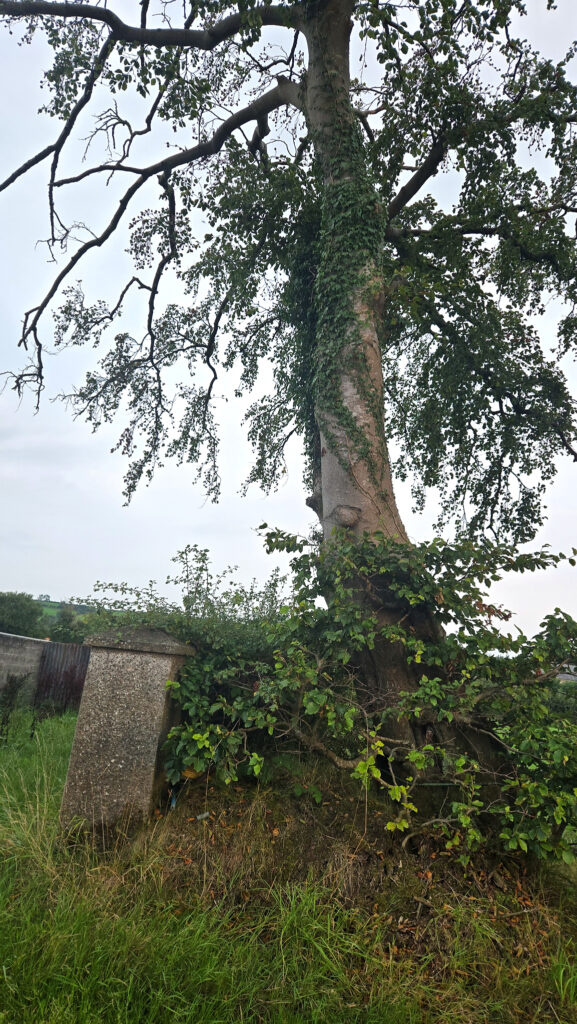
If you do not have ivy, consider letting it establish somewhere. It provides shelter for nesting birds, hibernation sites for insects, and berries for birds in late winter. The reputation for damaging walls is overstated in most cases, and a 2010 Oxford University study for English Heritage actually found that ivy buffers buildings against temperature extremes and traps airborne pollutants. The wildlife value far outweighs the aesthetic argument against it.
We have ivy on the fence at the back of the apiary. We had been vaguely planning to do something about it. We are now planning to do nothing about it at all.
Also Flowering in September: Sedum
Sedum spectabile, the ice plant, produces flat-topped flower heads in pink or white from August through October. On warm September days it is covered in bees and butterflies. It is not a major honey plant in the way ivy is, but it extends the foraging season and gives the colony additional resources during the critical autumn build-up. Easy to grow, tough, comes back every year, and genuinely used by bees. Worth having.
The Garden Centre Imposter: Virginia Creeper
Virginia creeper is a beautiful climber. The autumn colour is spectacular, those deep crimson leaves before they fall. It is sold as a wildlife plant, which is the kind of label we have learned to be wary of, and the berries are taken by some birds.
For bees, it offers almost nothing. The flowers are tiny and produce negligible nectar. If you have a wall to cover and you want something that also helps bees, grow ivy instead. Less spectacular in autumn, considerably more useful from September onwards.
Strange and Wonderful Facts About Ivy
We appreciate that we have spent this entire post telling you how important ivy is while quietly acknowledging that ivy is, objectively, not a thrilling plant. So before we finish, here are the facts that made us look at the ivy on our fence completely differently.
There is a bee named after it. Colletes hederae, the ivy bee, is a solitary bee that forages almost exclusively on ivy flowers. Its entire life cycle is timed around the ivy flowering season. It emerges in September specifically to collect ivy pollen for its nest cells. It was first recorded in Britain only in 2001 and has been spreading northwards ever since. If you see a small furry bee on your ivy in September that you do not recognise, it might be an ivy bee visiting the plant it was essentially built for.
The leaves you recognise are not the flowering leaves. The classic lobed ivy leaf, the one on Christmas cards and wreaths, is actually the juvenile form of the plant. When ivy matures it produces entirely different oval shaped leaves. And here is the key bit: only the mature growth with those oval leaves produces flowers. The young climbing growth with the familiar pointed lobes does not flower at all. So if your ivy has never produced flowers, it may simply not be old enough yet. Give it time.
An ivy stick above the door meant beer inside. An old Irish and English tradition held that a bunch of ivy on a pole or stick above a doorway signalled that the establishment sold ale. Hence the old saying good wine needs no bush, meaning quality does not need advertising. Ivy was also the plant of Bacchus, the Roman god of wine, and the ancient Greeks genuinely believed that binding your forehead with ivy leaves would prevent a hangover. We have not tested this.
The most important late nectar plant in Ireland is also the most common plant in Ireland. You almost certainly have it in your garden already. It is just waiting to be allowed to do its job.
The Good, The Bad, and The Sticky
THE GOOD: Ivy. Unglamorous, underappreciated, named its own species of bee after itself, and absolutely essential. If you have it, let it flower. If you do not have it, reconsider.
THE BAD: Virginia creeper as a like-for-like swap for ivy on a wall. Beautiful. Much less useful to the bees that need late season forage.
THE STICKY: The moment you realise that the plant growing completely uninvited up your garden fence is doing more for your bees than everything you deliberately planted. Humbling. And oddly wonderful.
This post is part of The Bee Garden series, where we look at what to plant for honey bees in Northern Ireland, month by month through the year. If you missed it, August was heather. Next up: October, and the last flowers before the garden goes to sleep.
Mum & Bee Girl x