
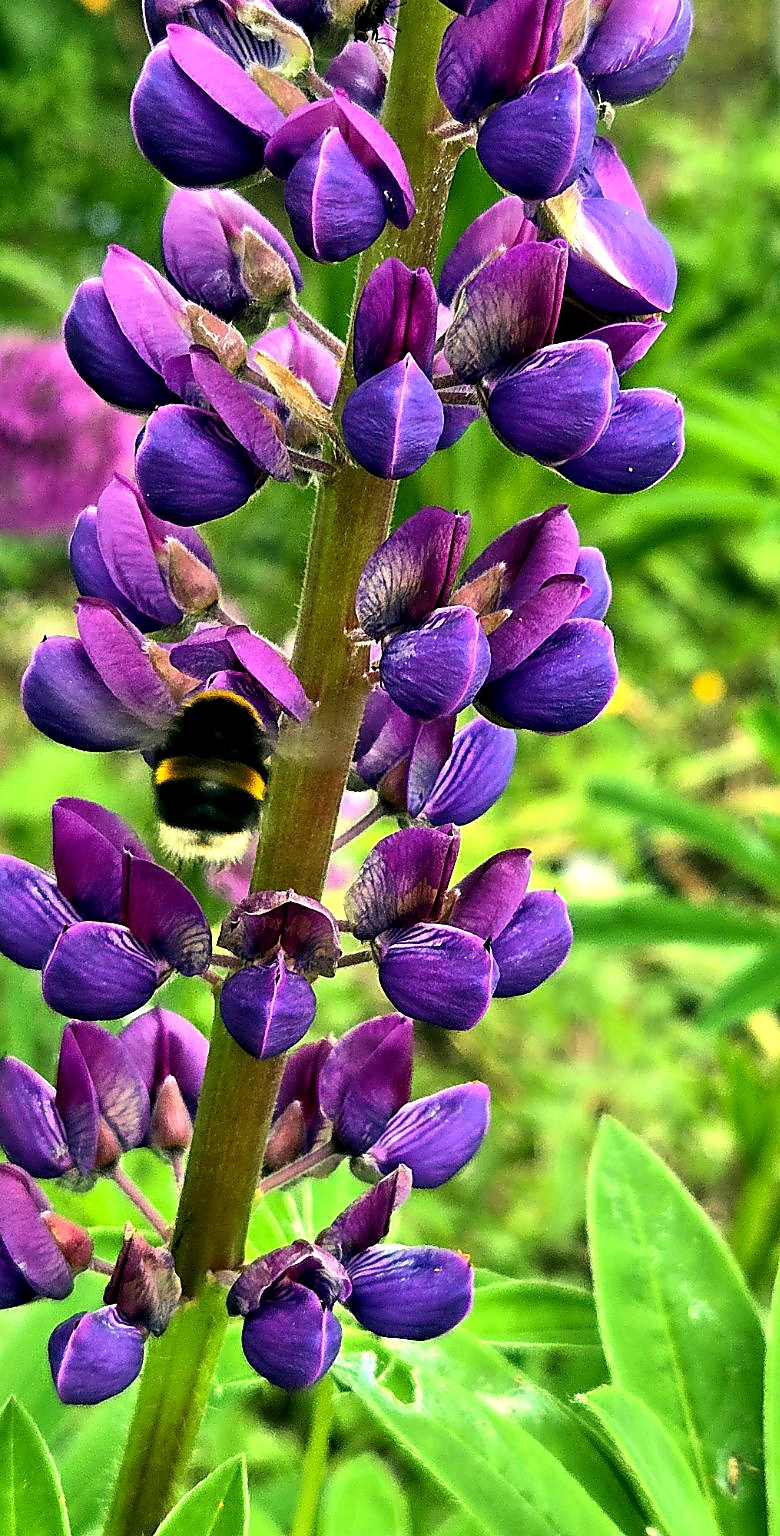
BEE HAPPY HONEY | The Bee Garden | Between June and July
The blossom is over, the summer flowers are not quite here yet, and your colony is bigger than it has ever been. This is the moment every new beekeeper needs to know about.
We had been feeling pretty good about things. The hawthorn had been on. The fruit blossom was lovely. The bees were flying well, the hive felt heavy, and everything looked like it was going exactly as it should.
Then someone at the club mentioned the June gap and the feeling good stopped fairly abruptly.
Nobody tells you about the June gap when you start beekeeping. It is one of those things experienced beekeepers know instinctively and beginners walk straight into. So here is what it is, how to spot it, what to do about it, and what you can plant to make sure it does not catch you out next year.
What Is the June Gap?
The June gap is a period of nectar shortage that happens in Ireland and the UK, typically in June, sometimes edging into late May or early July depending on the year and the weather.
Here is what causes it. Spring is extraordinarily productive for bees. Willow, hawthorn, fruit blossom, dandelion, oil seed rape where it is grown nearby. Trees and hedgerows produce enormous quantities of nectar and pollen. A single mature willow or lime tree can yield as much bee food as an acre of wildflower meadow. The colony builds up rapidly on all of that, the queen is laying hard, and by June you can have a very large, very hungry colony.
Then the spring flowers finish. The hawthorn drops its petals. The fruit blossom is over. The grass grows long and suppresses many of the smaller wildflowers. And the summer flowers, the clover, bramble, lavender, borage, are not quite at full flow yet.
That gap in between is the June gap. The colony is at or near peak size precisely when the food supply dips. It does not happen every year and its severity varies. Some years you barely notice it. Some years it catches colonies out badly. The unpredictability is part of what makes it worth knowing about.
How to Spot It
The signs are not always obvious, especially to a beginner who does not yet have a baseline for what normal looks like. But here is what to watch for.
The bees change temperament. This is often the first thing people notice. A colony that has been calm and purposeful during a good nectar flow can become noticeably more defensive and irritable during a dearth. They are hungry and anxious and they will let you know about it. If your bees seem grumpier than usual in June and you cannot think of another reason, check the stores before you assume it is a bee problem.
The activity at the entrance changes. During a good flow the entrance is purposeful. Foragers coming and going, heavy with pollen and nectar, intent on their work. During the gap the flying looks different. Less direction to it. More bees hanging around doing not very much. Beekeepers describe it as bees with too much time on their hands.
Robbing can start. When there is not enough nectar coming in naturally, bees will try to steal it from neighbouring hives. If you see bees fighting at the entrance, or notice unusual activity around your hive at times when bees should not be particularly active, robbing behaviour is worth considering.
The hive feels lighter. Get into the habit of hefting your hive from behind, lifting one edge slightly to feel the weight. A hive that felt reassuringly heavy a fortnight ago and now feels noticeably lighter is a hive using its stores faster than it is replacing them. This is the most direct signal and the one to take most seriously.
What to Do If It Hits
First, do not panic. The June gap is normal, manageable, and temporary. The summer flow is coming. Your job is to make sure the colony has enough to get there.
Check your stores properly. Open the hive and look at the brood frames. A colony in trouble will have brood but limited capped honey in the brood box. If you can see less than two full frames of stores in the brood area, take it seriously.
Feed if necessary. The standard emergency feed is a 1:1 sugar syrup, one part white sugar to one part water. This is thin enough that the bees can process it quickly and it stimulates the colony without confusing them into thinking a nectar flow has started. Important note: do not feed syrup if you have supers on the hive. You do not want sugar syrup ending up in your honey. Remove the supers first, feed, and replace once the immediate crisis is over.
If the gap is severe and stores are critically low, fondant placed directly on the top bars over the cluster is a faster option than syrup and less likely to trigger robbing from other colonies, since it does not have the smell of liquid syrup drifting on the air.
Keep your entrance reduced during a dearth. A smaller entrance is easier for the guard bees to defend against robbers.
And do not do unnecessary inspections. Every time you open the hive during a dearth you are adding stress to a colony that is already under pressure. Check what you need to check and leave them to it.
The Think Before You Treat Connection
This is where the June gap connects directly to the bigger question of colony health and varroa management that runs through everything we are doing this year.
A colony under nutritional stress is a colony with a compromised immune system. Research has consistently shown that well-fed bees are more resilient to varroa-associated viruses. A colony that struggles through a bad June gap may show elevated varroa impacts in July and August that a well-fed colony would have managed better.
This does not mean the June gap causes a varroa problem. It means that colony nutrition and varroa pressure interact. A colony that goes into the summer flow healthy and well-fed is better placed to cope with whatever mite load it is carrying than one that arrives at July depleted and stressed.
If you are monitoring varroa through the season as part of a think before you treat approach, the weeks around the June gap are worth paying particular attention to. Not because you will necessarily need to act, but because a colony under nutritional stress will give you less accurate read on whether mite-related stress is the cause of any problems you see.
Feed the bees if they need feeding. Then monitor. Do not conflate a hungry colony with a sick one.
What to Plant to Bridge the Gap
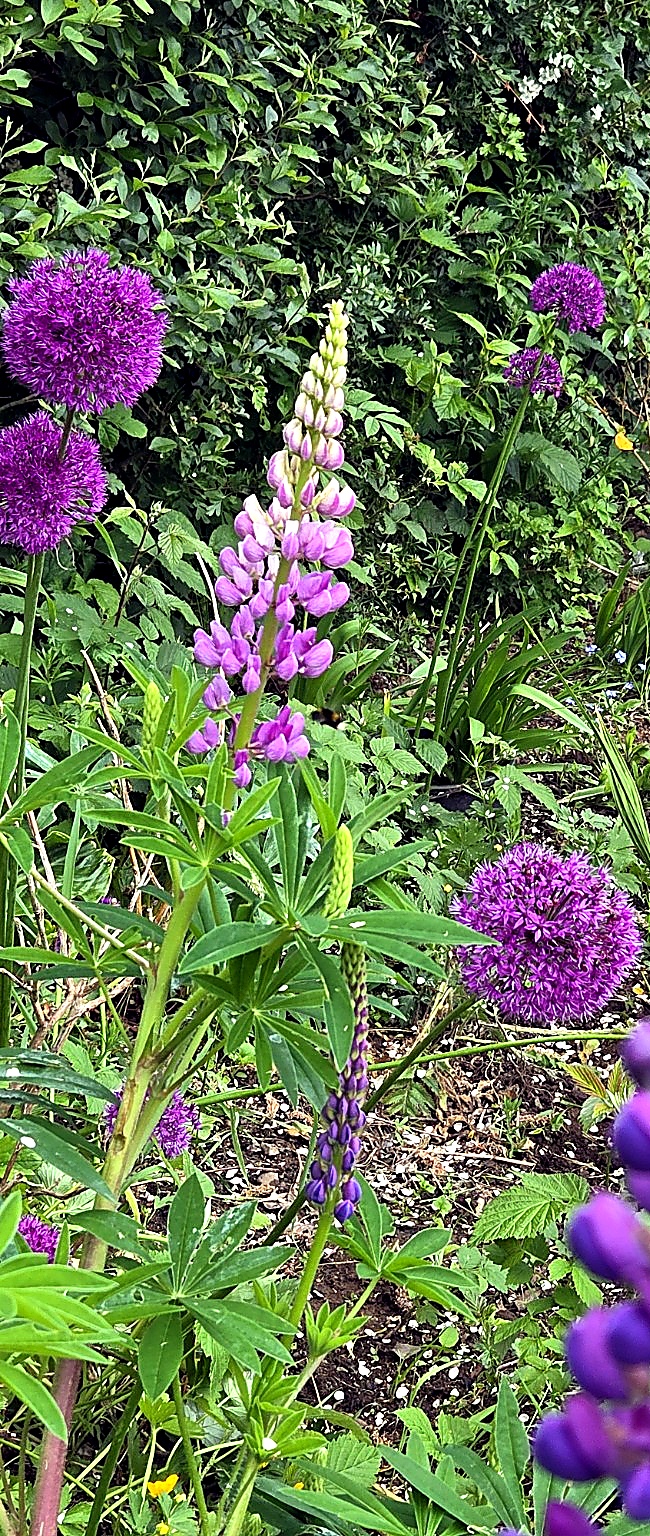
The best thing you can do for the June gap in future years is plant things that flower specifically in that window. Here is what works.
Phacelia tanacetifolia is probably the single best June gap plant available. It is a fast-growing annual that flowers roughly six weeks after sowing, produces nectar in extraordinary quantities, and bees go absolutely mad for it. Sow it in April and it will be in flower exactly when you need it. It is cheap as seed, easy from direct sowing, and will self-seed if you let it. If you plant nothing else for the June gap, plant phacelia.
You may actually be driving past fields of it without realising. Farmers are increasingly sowing phacelia as a cover crop, not for the bees at all, but because it improves soil health, suppresses weeds, prevents erosion, and can be ploughed back in as green manure. The bees visiting it are a welcome side effect rather than the point. So if you spot a field of tall purple flowers this summer that you cannot quite identify, it might well be phacelia. Your bees almost certainly already know about it.
Borage is nearly as good as phacelia for bridging the gap and comes with an extraordinary bonus: once you have it, you essentially have it forever. Plant it near a fence or at the edge of a bed this year, let it set seed at the end of the season, and it will self-seed and spread of its own accord year after year. Borage does not need your help to come back. It needs only the opportunity. It flowers from June onwards and produces nectar continuously throughout the day. Honey bees love it.
Catmint (Nepeta) flowers in June and again in late summer if you cut it back after the first flush. Long-flowering, tough, and bees genuinely love it. We bought catmint seeds at Galgorm specifically for this purpose, though ours is going in a pot because catmint given any freedom will make its own decisions about where it lives.
Hardy geraniums, thyme, and coriander all flower in June and are accessible to honey bees. None of them are a substitute for a full nectar flow but they all contribute during a thin period.
Cotoneaster and pyracantha are both shrubs that flower in June and are worked well by bees. If you are thinking about adding a hedge or a wall shrub and you want it to earn its place during the gap, either of these is a solid choice.
THE GOOD: The June gap is temporary. The summer flow is coming. With a bit of attention and some phacelia seed sown in April, you can take the edge off it significantly. And if you plant borage near a fence this year, nature will do the rest.
THE BAD: A light hive in June that you do not notice until July. Heft your hive regularly through this period. The weight tells you what the bees cannot say out loud.
THE STICKY: A stressed colony is not the same as a sick colony. Feed first. Then monitor. Think before you treat applies here too.
Mum & Bee Girl x